

What Is a Subluxation?
A subluxation refers to a partial dislocation or misalignment of a joint, most commonly discussed in relation to the spine. In simple terms, it means a joint—such as those between the vertebrae—moves out of its normal position but does not fully dislocate. This displacement may disrupt normal nerve function and movement.
While some health professionals use "subluxation" more narrowly (such as in orthopedics for visible joint misalignments), in spinal health, the term can include subtle shifts that may affect the nervous system even if they're not visible on an x-ray. For local residents, this is most often a concern involving the small joints between the bones in the spine.
Why Do Subluxations Matter?
Subluxations can change how the body functions by irritating nerves, increasing stiffness, and disturbing muscle balance. Even minor spinal misalignments can impact daily movement, comfort, and sometimes overall wellbeing. Those who work from home, spend hours driving, garden frequently, or participate in seasonal sports may face greater risk due to posture or repetitive motion.
Sometimes, a subluxation may not cause obvious pain but can still play a role in longstanding issues like recurrent headaches, tension, or limited range of motion. Left untreated, persistent misalignments can contribute to joint wear over time.
How Might Subluxations Develop?
There are several everyday scenarios that can contribute to joint misalignment:
- Sudden movements or falls (like slipping on icy driveways in winter)
- Poor posture from prolonged desk work or device use
- Repeated lifting, yardwork, or other manual tasks around the house
- Carrying heavy backpacks or bags, especially in children and teens
- Chronic stress, which can tighten muscles and affect spine alignment
In the context of Penfield's seasonal shifts—from shoveling snow to active summers—residents may notice stiffness or discomfort linked to activities that strain the spine or joints.
What Are the Signs and Symptoms?
Subluxations do not always produce immediate, intense symptoms. More often, they contribute to subtle or persistent complaints, such as:
- Localized aches or tenderness
- Reduced flexibility or "stuck" feeling in the back or neck
- Headaches or facial tension
- Tingling or numbness in the arms, hands, legs, or feet (if nerves are affected)
- Unusual fatigue, especially after routine activities
Sometimes, these signs are mistaken for general aging or stress, delaying recognition of the underlying joint issue.
Common Misconceptions About Subluxation
It’s easy to misinterpret subluxations or confuse them with major dislocations—a much more severe condition. Here are a few common misunderstandings:
- It always causes pain: Subluxations aren’t always painful; sometimes they just restrict movement or subtly affect nerve function.
- It can be fixed by stretching alone: While gentle movement helps, some misalignments may not resolve without addressing their underlying cause.
- Only adults experience them: Children, teens, and older adults can all develop subluxations from school activities, sports, or changes in mobility.
- Subluxation is a universally agreed term: While popular in some healthcare circles, the exact definition and significance varies among providers. Always consider the context and discuss any concerns with a trusted health advisor.
How Are Subluxations Identified and Managed?
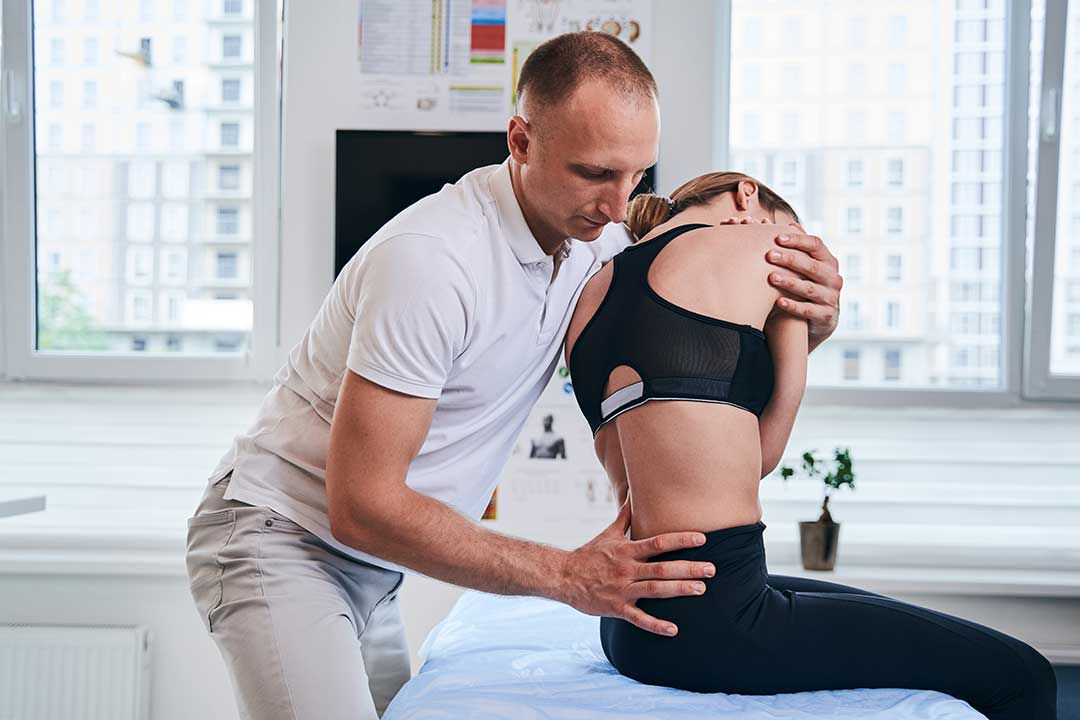
Evaluation often includes a hands-on exam, assessing posture, movement, and neurological function. Imaging such as x-rays is sometimes recommended if there’s suspicion of injury, or to rule out more serious conditions. Local providers may use a combination of movement assessments and patient history, especially relating to seasonal or occupational habits seen in Penfield.
Safe, conservative management typically focuses on:
- Gentle exercises to restore range of motion
- Ergonomic changes at home or work (adjusting monitors, chairs, or bedding)
- Postural awareness and movement habits
- Manual therapies to mobilize the affected joints
Education about how to maintain joint health is especially relevant for those in local office jobs, longtime residents, and students handling heavy loads.
How Can Area Residents Support Healthy Joints and Prevent Issues?
Prevention does not require drastic measures—simple, daily choices can make a difference:
- Take regular breaks from sitting and stretch throughout the day
- Mind posture when gardening, shoveling, or lifting grocery bags
- Rotate household chores to avoid repetitive motion
- Encourage children and teens to alternate shoulders with backpacks
- Prepare for seasonal changes (like snow clearing or yard work) with focused warm-up movements
Keeping an eye on early warning signs and responding with movement or rest as needed makes it easier to avoid deeper joint restrictions.
For those living in Penfield and managing seasonal or work-related physical demands, small adjustments can add up to better comfort, flexibility, and overall mobility in daily life.
