
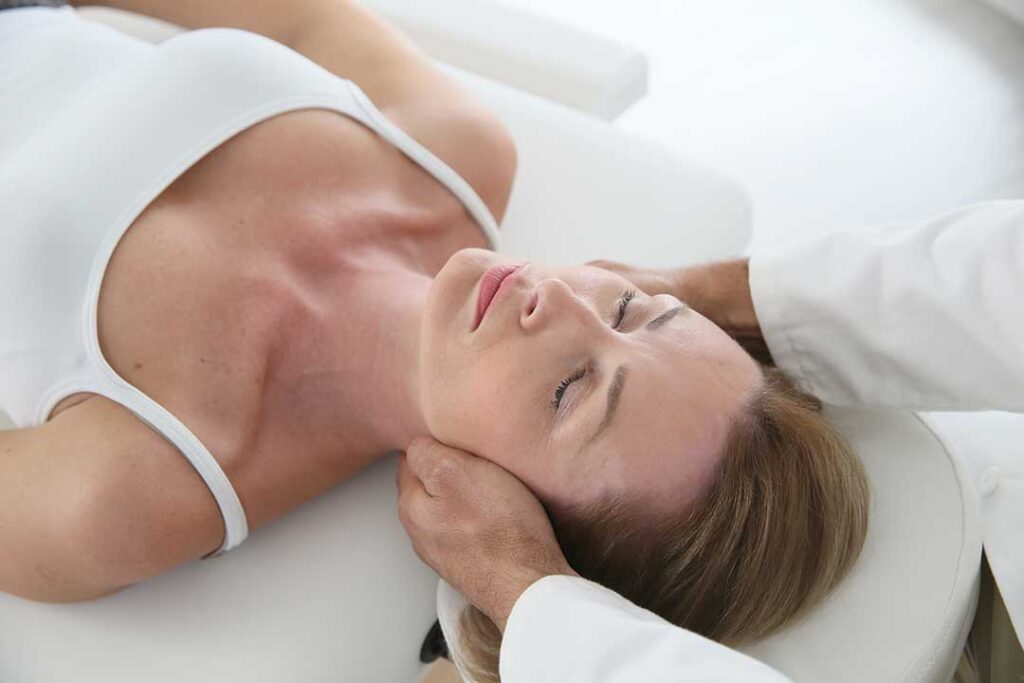
Which sleeping position is healthiest for the spine?
For most adults, sleeping on the back or side is generally easier on the spine than sleeping on the stomach. The better choice is the position that keeps the head, shoulders, hips, and knees reasonably aligned while allowing comfortable, uninterrupted sleep.
There is no single position that works for every person. A comfortable position that reduces morning stiffness is usually more useful than forcing the body into a posture that causes discomfort. People in Penfield, NY may also notice that seasonal changes, bedroom temperature, heavier bedding, or spending more time indoors can affect how often they shift positions during sleep.
The main goal is a neutral posture: the spine should retain its natural curves without being twisted, sharply bent, or unsupported for several hours.
Is sleeping on your back good for back pain?
Back sleeping can reduce strain on the spine when the lower body is supported correctly. A pillow under the knees may relax the lower back and reduce excessive arching. A small rolled towel under the waist can provide additional support for some people, although it should not create pressure or discomfort. ([mayoclinic.org](https://www.mayoclinic.org/diseases-conditions/back-pain/in-depth/sleeping-positions/art-20546852?utm_source=openai))
The head pillow also matters. It should support the neck without pushing the head too far forward or allowing it to fall backward. A useful test is whether the chin remains level rather than pointing toward the chest or ceiling.
Back sleeping may be less comfortable for people with certain conditions. Some individuals with spinal stenosis feel better with a slightly bent-forward posture, while others with disc-related symptoms may prefer lying on the back. Sleep apnea and heavy snoring can also worsen when lying flat on the back because the airway may narrow. Side sleeping is often preferable in those situations. ([health.clevelandclinic.org](https://health.clevelandclinic.org/best-sleeping-position?utm_source=openai))
How should side sleepers position their legs?
Side sleeping is a practical option for many people, especially when the knees are slightly bent and a pillow is placed between the legs. This support can keep the upper leg from pulling the pelvis forward and twisting the lower spine.
A comfortable side-sleeping setup usually includes:
- Knees bent slightly rather than pulled tightly toward the chest.
- A pillow between the knees, extending far enough to support the thighs.
- A head pillow thick enough to keep the neck level with the rest of the spine.
- Shoulders and hips stacked rather than rotated forward.
- The neck positioned so the face points generally forward instead of sharply downward.
A very curled fetal position may feel comfortable at first but can leave the neck and lower back flexed for long periods. A less tightly curled posture often provides more room for the spine to maintain its natural shape.
Some people prefer one side because of shoulder pain, hip discomfort, reflux, or breathing symptoms. There is no universal requirement to sleep on the left or right side for spinal health. Comfort, breathing, and symptom response are more useful guides.
Why is stomach sleeping often harder on the neck and back?
Stomach sleeping commonly requires the head to remain turned to one side so the person can breathe. Holding the neck in that rotated position for hours may contribute to morning neck stiffness, shoulder discomfort, or headaches. The position can also increase arching in the lower back, particularly if the mattress allows the abdomen and pelvis to sink.
If changing position is difficult, a gradual adjustment may help. Try placing a thin pillow under the lower abdomen and hips to reduce lower-back arching. Use the thinnest head pillow that allows comfortable breathing, or avoid a head pillow if that feels better. These modifications do not make stomach sleeping ideal for everyone, but they may reduce strain. ([mayoclinic.org](https://www.mayoclinic.org/diseases-conditions/back-pain/in-depth/sleeping-positions/art-20546852?utm_source=openai))
Pain is a useful boundary. If a position consistently causes numbness, tingling, sharp pain, or worsening symptoms, it is not providing appropriate support.
How can a pillow protect spinal alignment?
A pillow should fill the space between the head and mattress without forcing the neck out of line. The correct height depends on sleeping position, body size, shoulder width, and mattress firmness.
For side sleepers, a thicker pillow is often needed because the shoulder creates more distance between the head and mattress. For back sleepers, a medium-height pillow may better preserve a neutral neck position. Stomach sleepers generally need very little height under the head.
Pillow placement elsewhere can be just as helpful:
- Under the knees for back sleeping.
- Between the knees and sometimes the ankles for side sleeping.
- Against the front of the body to prevent rolling onto the stomach.
- Under the lower abdomen and hips for people who cannot stop sleeping on the stomach.

A pillow that feels comfortable for five minutes may not provide good support for eight hours. Morning symptoms are often more informative than the initial feeling at bedtime.
Does the mattress affect spinal comfort?
Yes. A mattress that is too soft may allow the pelvis and shoulders to sink unevenly. A mattress that is too firm may create pressure at the shoulders, hips, or ribs, encouraging the body to twist. The best surface is one that supports the body without creating painful pressure points.
A simple check is to notice whether the spine remains relatively straight when lying on the side. If the waist collapses toward the mattress or the upper body angles downward, additional support may be needed. When lying on the back, the lower back should retain a comfortable natural curve without feeling suspended or forced flat.
Mattress age is not the only factor. Body changes, pregnancy, an injury, or a change in sleeping position can alter what feels supportive. Residents preparing bedrooms for cold Penfield winters may also want to avoid excessive blankets that make it difficult to move or cause overheating, both of which can lead to restless, awkward positioning.
What if back pain is worse in the morning?
Morning pain may come from sleep position, prolonged stillness, an unsupportive pillow or mattress, or an underlying condition. It can help to track patterns for several nights rather than changing everything at once.
Try one adjustment at a time:
- Add a pillow under the knees when sleeping on the back.
- Add a pillow between the knees when sleeping on the side.
- Change the head pillow height.
- Avoid sleeping with one arm overhead for the entire night.
- Rise slowly and take a few gentle steps before beginning demanding morning activities.
Persistent pain, progressive weakness, numbness, loss of bladder or bowel control, fever, unexplained weight loss, or pain after a significant injury requires prompt medical evaluation. Night pain that repeatedly disrupts sleep also deserves attention rather than being attributed automatically to a pillow or mattress.
For most people, the practical answer is straightforward: choose back or side sleeping when possible, support the knees or legs, keep the neck neutral, and let comfort guide small adjustments. The healthiest position is the one that maintains alignment without worsening symptoms and allows restorative sleep.
