
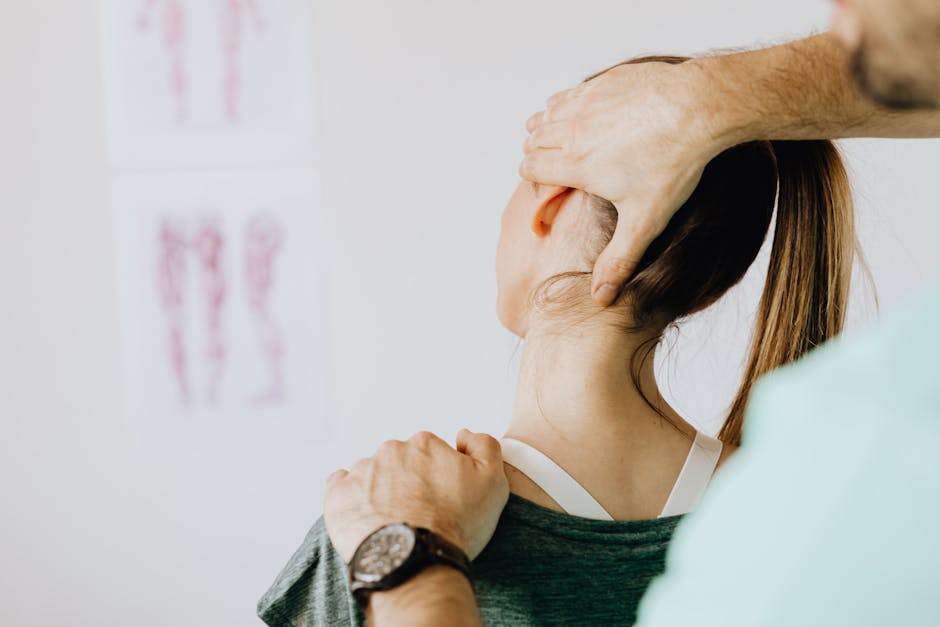
If you’re a resident of Penfield, New York or nearby Rochester suburbs, chances are you’re used to staying busy. Whether it's shuttling kids to soccer at Rothfuss Park, hiking at Channing H. Philbrick Park, or simply contending with a daily commute on Route 441, your body endures its fair share of stress. For many locals, chiropractic care is part of maintaining an active, healthy lifestyle. If you’re new to chiropractic adjustments, however, you might have some questions—especially about how you’ll feel afterward. One of the most common concerns is: *Is it normal to feel sore after a chiropractic adjustment?*
What Happens During a Chiropractic Adjustment?
A chiropractic adjustment (sometimes called spinal manipulation) involves gentle, controlled force applied to specific joints, usually in the spine. The goal is to improve alignment, decrease pain, and help your body function better. This hands-on technique can help with back pain, headaches, and even desk-job stiffness—a common issue for many Penfield residents who work remotely or commute into Rochester.
Why Might You Feel Sore After an Adjustment?
Soreness after a chiropractic adjustment can be similar to what you feel after starting a new exercise routine or increasing your physical activity. Here’s why:
- Muscle and Soft Tissue Response: Muscles around the treated joints may have been tense or guarded before the adjustment. Restoring mobility can make these tissues temporarily sore as they “relearn” proper function.
- Joint Movement: If a joint has been restricted for a while, mobilizing it can create a mild inflammatory response as part of your body’s natural healing process.
- Nervous System Adaptation: Chiropractic care influences your central nervous system. As your body adapts to improved alignment, you may feel soreness—much like post-exercise muscle adaptation.
For many in Penfield who regularly enjoy outdoor activities or recreational sports, this feeling is familiar. Just like easing into springtime yard work or starting a new fitness class at the Penfield Community Center, mild soreness is a sign that your body is adjusting to positive changes.
How Long Does Post-Adjustment Soreness Last?
Most people experience only mild soreness, which typically resolves within 24–48 hours. For some, the sensation may last a little longer, especially if:
- It’s your first chiropractic visit
- You've had significant areas of restriction
- You haven’t been physically active
- Additional therapeutic techniques (like soft tissue work) were part of your session
If your discomfort is more pronounced or accompanied by sharp pain, swelling, or symptoms you haven't experienced before, it's important to contact your chiropractor right away for guidance.
What Can You Do to Minimize Soreness?
If you're scheduling a chiropractic adjustment in Penfield and want to minimize post-visit soreness, try these simple steps:
- Stay Hydrated: Drink plenty of water before and after your appointment to help your body flush out metabolic waste.
- Gentle Movement: Consider taking a walk on the Penfield Rail Trail or doing gentle stretches provided by your chiropractor to keep your muscles loose.
- Apply Ice or Heat: An ice pack can reduce inflammation, while gentle heat may soothe tight muscles. Follow your chiropractor’s specific recommendations.
- Rest, but Don’t Overdo It: Give your body time to adapt, but avoid long periods of inactivity—movement promotes healing.
- Follow Aftercare Instructions: Your Penfield chiropractor may suggest specific home-care tips or exercises to speed up your recovery.
When Should You Be Concerned?
While mild, short-lived soreness is normal and often expected, you should reach out to your chiropractor if you experience:
- Intense or worsening pain
- Numbness, tingling, or weakness in your limbs
- Signs of infection (such as fever or redness at the treatment site)
- Any symptom that feels unusual or alarming
Chiropractic care is considered safe for most people, and local practitioners in Penfield prioritize patient education and comfort. Always communicate openly with your provider about your symptoms and any past medical history.
Adjustments and Active Penfield Living
It’s common for Penfield residents—whether gardening in your backyard or exploring Ellison Park—to consider chiropractic care as part of maintaining whole-body wellness. Feeling a little sore after an adjustment doesn’t mean something is wrong; instead, it often signals that your body is responding and working its way back to optimal function.
Your chiropractor’s goal is always to get you back to the activities you love, pain-free and moving well. Remember, just as muscles get stronger and more resilient with gentle stress, your body can adapt and thrive after chiropractic care.
Empowering Yourself with the Right Expectations
Understanding what to expect after a chiropractic adjustment can help you make the most of your care. Soreness—when mild and short-lived—is a normal response and usually means your body is adapting to positive changes. By pairing adjustment visits with healthy Penfield habits like regular outdoor activity and good hydration, you set yourself up for long-term health and comfort.
If you have concerns or ongoing discomfort, don’t hesitate to reach out to your chiropractor. Your well-being is always their top priority. Whether you’re returning to your favorite trail or picking up the kids after school, you deserve to move and feel your best—soreness-free.
