
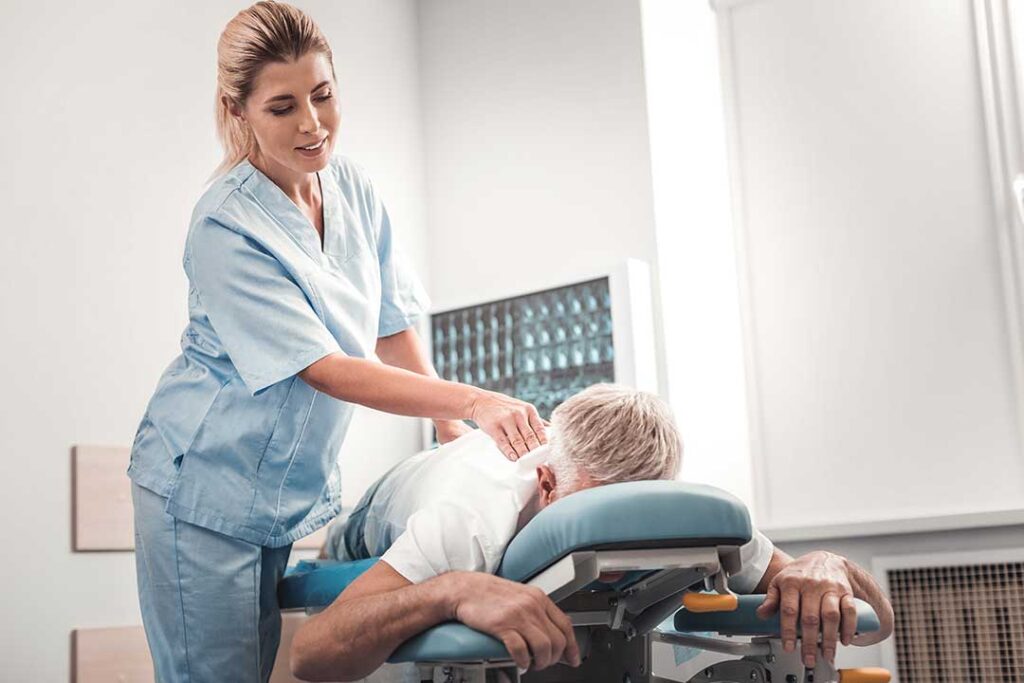
How Can Jaw Pain Be Related to the Spine?
There is a clear connection between jaw pain and the health of the spine, despite these areas being physically distant. The jaw, or temporomandibular joint (TMJ), works in close coordination with the neck and upper back. Local residents sometimes notice that discomfort in the jaw occurs alongside neck stiffness or headaches.
The body’s musculoskeletal system is interconnected. When one part—like the jaw—is out of balance, it can affect other areas, particularly the alignment and tension in the neck and upper spine. Small nerves and muscles link the jaw to the cervical (neck) region, so problems may ripple throughout the system.
Why Does Jaw Dysfunction Affect the Neck and Back?
Jaw discomfort can stem from issues such as clenching, grinding, injury, or arthritis. These problems often create extra tension or strain in the muscles that support the head and neck. Because the jaw’s muscles connect directly to the neck and upper back, excess tension can pull these regions out of alignment or create chronic soreness.
Examples encountered often in the area:
- People who work long hours at desks, common in homes and workplaces throughout Penfield, sometimes develop forward-head posture. This posture puts strain on the neck and can make existing jaw issues worse.
- Jaw clenching, which many residents experience during colder months, can sometimes be a response to stress or weather, and this behavior may tighten the neck as well.
When the neck is affected, nearby structures—in the shoulders, upper back, and base of the skull—can also develop tension, triggering headaches or even tingling in the arms. In summary, jaw dysfunction doesn’t just stay in the jaw—it can provoke a chain reaction through the spine.
Can Poor Posture Aggravate Jaw Pain?
Yes, posture problems are a common aggravator. Poor sitting posture or long periods looking down at devices can shift the alignment of the head and neck, putting pressure on the jaw muscles and joints.
For many households in Penfield, long stretches working or studying at home introduce new posture challenges:
- Slumping or not using back support sofa and kitchen chairs instead of ergonomically designed seats
- Increased device use for school and remote work, causing the head to lean forward for long periods
With forward-head posture, the lower jaw is often pulled out of its ideal position. This subtle tension increases pressure on the jaw joint, potentially setting off a cycle of pain in both the jaw and neck. Correcting posture doesn't just support the spine; it can relieve jaw discomfort as well.
What Symptoms Suggest a Connection?
People in the community may not realize that seemingly separate aches are connected. Some signs include:
- Jaw pain alongside neck pain, shoulder tightness, or upper back soreness
- Frequent headaches, particularly at the base of the skull or behind the eyes
- Clicking, popping, or grinding noises in the jaw joint
- Limited ability to open the mouth fully or pain while chewing
- Stiffness that seems to travel between the jaw, neck, and upper back
Ignoring the jaw as a possible contributor to spinal discomfort can delay finding relief, especially if head and neck pain become persistent.
What Can Area Residents Do at Home to Support Both Jaw and Spine?
Many steps can support both jaw and spinal health, and these fit naturally into routines common across the city:
- Check and improve workstation ergonomics, especially as at-home work and study are frequent.
- Use supportive chairs with upright backs rather than soft couches during long periods of sitting.
- Practice gentle neck stretches and mindful jaw relaxation during the day.
- Avoid cradling the phone between the ear and shoulder—a habit that strains both the jaw and neck muscles.
- Notice and try to reduce teeth clenching (often worsened by stress or cold weather).
- Apply warm compresses to tense areas, which can calm overactive muscles in both the jaw and the neck.
If symptoms persist or begin to interfere with sleep, eating, or daily activity, it is wise to seek evaluation from a health professional who can help identify underlying causes.
Are There Common Misconceptions About Jaw and Spinal Health?
A frequent misconception is that jaw pain always starts in the teeth, or that spinal problems are never related. Many local residents are surprised to learn how posture and workspace habits—not just dental health—affect jaw comfort.
Another myth is that jaw and spinal issues only affect older adults or those with arthritis. In reality, students, office workers, and anyone with prolonged screen time or stress can experience these symptoms. Recognizing the whole-body connection can help area households manage pain more effectively.
How Does Climate and Daily Life in Penfield Affect Jaw and Spine Issues?
The climate, with its colder months, can contribute to muscle tension as residents unconsciously clench muscles to stay warm. Additionally, seasonal changes can lead to more time indoors, with increased use of screens and potentially less movement, both risk factors for posture-related discomfort.
The spread of single-family homes and personal vehicles in Penfield means many people commute regularly or work in secluded offices at home, sometimes without regular opportunities for stretching or posture adjustment. Awareness of these patterns allows the community to take proactive steps in daily routines.
