
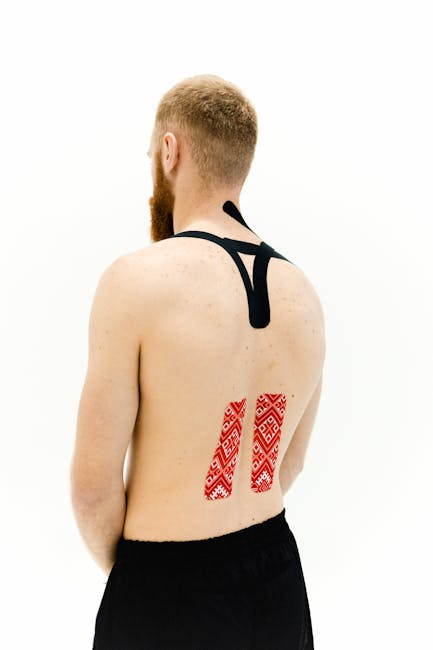
Living in Penfield, New York, means enjoying the charm of suburban life, beautiful parks, and a community that values health and wellbeing. However, with busy schedules, time spent gardening, shoveling snow, or working at a computer, many residents are at risk of developing musculoskeletal problems such as pinched nerves. Preventing a pinched nerve is often easier than treating one, and a proactive approach can keep you enjoying everything Penfield has to offer.
What is a Pinched Nerve?
A pinched nerve occurs when too much pressure is applied to a nerve by surrounding tissues such as bones, cartilage, muscles, or tendons. This pressure disrupts the nerve’s function, resulting in pain, tingling, numbness, or weakness. Common sites for pinched nerves include the neck, lower back, and wrist, which can affect daily activities and quality of life.
Common Causes of Pinched Nerves in Penfield
Penfield residents face unique risk factors based on local lifestyle patterns:
- Home and yard work: Shoveling driveways in winter or tending to lush gardens in spring and summer can strain the back and neck.
- Desk jobs and remote work: Many Penfield residents work from home, increasing time spent at the computer with less-than-ideal ergonomics.
- Recreational activities: Hiking at Ellison Park or participating in local sports can sometimes lead to overuse injuries.
- Commuting: Sitting for extended periods while commuting to Rochester or other nearby cities can stress the lumbar spine.
How to Prevent Pinched Nerves: Chiropractic Tips
1. Prioritize Good Posture
Whether you’re working at a desk all day or spending hours in the garden, posture matters. Good posture reduces pressure on nerves and maintains healthy spinal alignment.
- Sit upright with feet flat on the floor.
- Keep your computer monitor at eye level.
- Use a lumbar support pillow for lower back comfort.
- Avoid slouching or leaning forward for long periods.
2. Optimize Your Work and Home Ergonomics
Setting up your workspace or household chores to support your body’s natural alignment can prevent nerve compression.
- Adjust your chair and desk to fit your body.
- Take frequent breaks to stand, stretch, and change positions.
- Use proper body mechanics when lifting heavy objects—bend at your knees, not your waist, and keep objects close to your body.
3. Stay Active with Low-Impact Exercise
Physical activity strengthens muscles that support your spine and joints, making nerve impingement less likely.
- Engage in regular walks through Penfield’s scenic parks, like Harris Whalen Park.
- Try swimming at the Penfield Community Center for a joint-friendly workout.
- Incorporate gentle stretching and flexibility exercises such as yoga or Tai Chi.
4. Practice Safe Techniques During Seasonal Chores
Winter in Penfield means snow removal—an activity notorious for causing back injuries. Take precautions to protect your nerves while shoveling.
- Warm up your muscles with light stretching before starting.
- Use small, lightweight shovels and push snow rather than lifting it.
- Take breaks and switch hands often to avoid repetitive strain.
5. Maintain a Healthy Weight
Carrying excess weight puts added strain on your spine and nerves. Eating a balanced, locally sourced diet and staying active helps minimize this risk.
- Visit Penfield’s seasonal farmers markets for fresh produce and healthy food options.
- Plan meals that emphasize fruits, vegetables, lean proteins, and whole grains.
6. Manage Stress
High stress levels can lead to muscle tension, which increases pressure on nerves. Stress management is crucial for overall well-being.
- Practice deep breathing or meditation.
- Spend time outdoors, taking advantage of Penfield’s trails and green spaces.
- Prioritize sleep and keep a consistent sleep schedule.
Warning Signs: When to See a Chiropractor
While prevention is key, it’s important to recognize symptoms that may require professional care. Seek evaluation if you notice:
- Persistent pain, tingling, or numbness in your arms, legs, or back
- Weakness in your muscles or difficulty with coordination
- Symptoms that do not improve with home care after a few days
Chiropractors can help identify the cause of your symptoms and offer non-invasive treatments to relieve nerve pressure, restore mobility, and prevent recurrence.
Frequently Asked Questions
Can sitting too long cause a pinched nerve?
Yes, prolonged sitting—especially with poor posture—can compress nerves in the lower back, leading to pain or numbness. Stand up, stretch, and move often throughout your work day.
Is it safe to stretch if I feel a tingling sensation in my arm or leg?
Gentle stretching can often help, but if stretching increases your symptoms, stop and consult a healthcare provider. Avoid aggressive movements until you know the underlying cause.
What home remedies can help relieve pinched nerve symptoms?
Applying ice or heat, resting the affected area, and doing gentle movements may provide some relief. Over-the-counter anti-inflammatory medications can help reduce pain and swelling. However, if symptoms persist, seek professional advice.
Conclusion
Pinched nerves are a common issue in Penfield, but with mindful habits and a proactive approach, you can greatly reduce your risk. Whether you’re tending to your garden, hiking in a local park, or working remotely, small modifications to your routine can help you stay active and pain-free. Remember, prevention is always easier than cure, and a healthy lifestyle is the best first line of defense.
If you have ongoing symptoms or concerns about your spine and nerve health, a Penfield chiropractor can guide you with tailored advice and care. Take advantage of our community’s resources, stay educated, and prioritize your musculoskeletal health year-round.
